
Tuesday, November 29, 2011

Who is the sculptor?
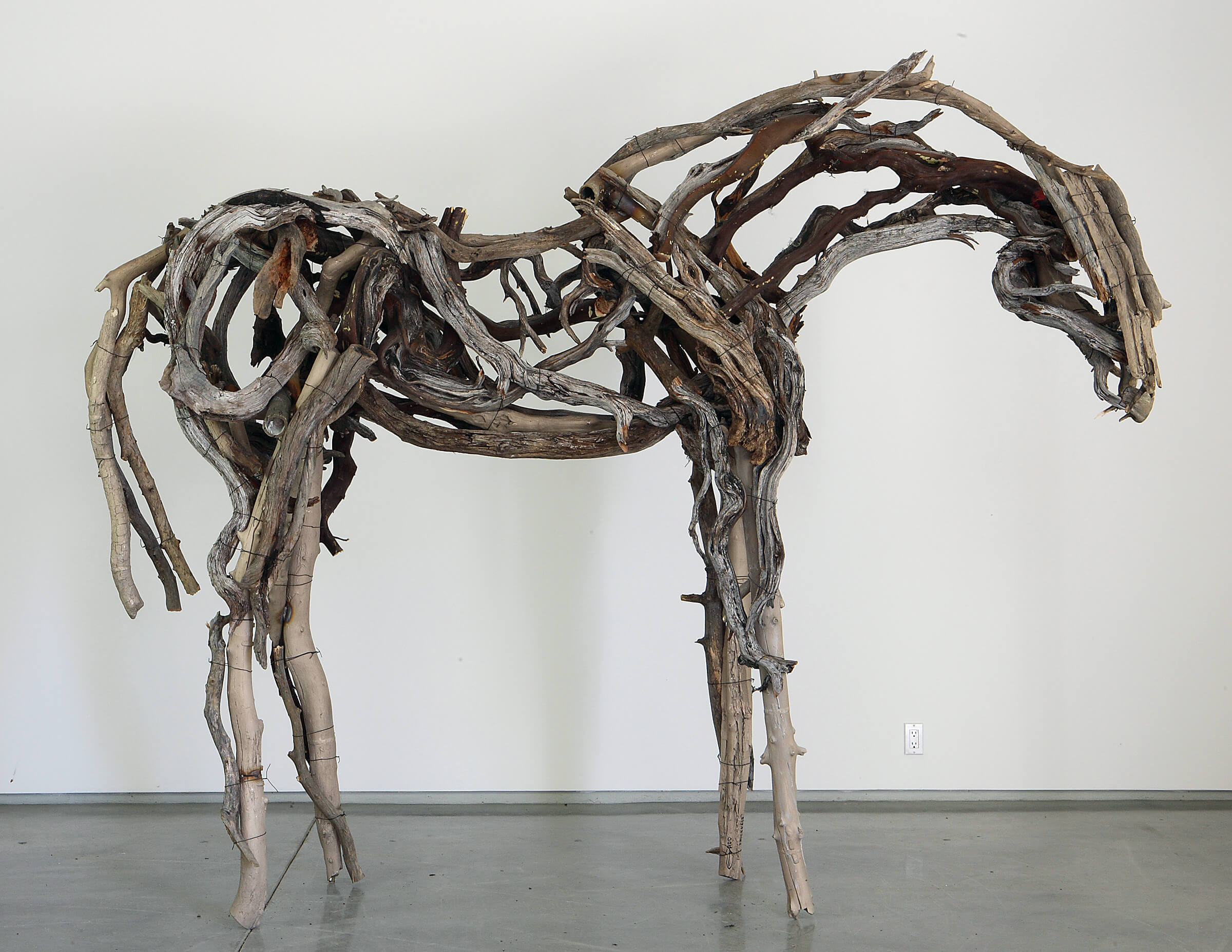
BTW. Click on the image. It's a really nice photograph of a sculpture. VERY CLEAN

Monday, November 28, 2011
my final two sculptures.
These are my almost complete sculptures for my final series. the motif or thing that binds them together is that they are interlacing pieces that go into themselves. The first one is made of wood blocks. I plan on finishing putting it together on Tuesday, and then priming it on Thursday.


 My second piece that I am doing is made of pvc piping and has the same motif of interlacing objects. It is not done yet, but when I finish it on Tuesday, and then paint it on Thursday, I am going to put some fabric on it to make it look more solid in some places.
Anthony Cragg
Anthony Cragg was born in 1949, and has done many things that are either a bunch of objects put together to make a big object, or organic twisted faces. This was called Britain as seen from the North. It was made in 1981 and reminded me of an I spy book with all of the objects in them.
  I posted this one so that you could see the way that he uses the colors of the objects to create a sense of space, and color.
  This is called Bent of Mind and was made in 2008. It reminds me of an ink face caught in a tornado.
This was called Britain as seen from the North. It was made in 1981 and reminded me of an I spy book with all of the objects in them. I posted this one so that you could see the way that he uses the colors of the objects to create a sense of space, and color. This is called Bent of Mind and was made in 2008. It reminds me of an ink face caught in a tornado.Tom Freidman
Tom Freidman was born in 1965, and makes his art out of everyday found objects. these kinds of objects can be anything from paper clips, crayons or even toilet paper. This first sculpture is Untitled, and it was made in 1999. It was made from several Total boxes that were cut up and then put back together into one big Total Box. 
 This next one is also untitled and it was made in 2000. it was made of polyatryene construction. It reminds me kind of what I am trying to go for with my last sculpture.
 This last image is made of tooth picks and is also untitled. It was made in 1995, and looks a lot like an explosion to me.

 This next one is also untitled and it was made in 2000. it was made of polyatryene construction. It reminds me kind of what I am trying to go for with my last sculpture.
 This last image is made of tooth picks and is also untitled. It was made in 1995, and looks a lot like an explosion to me.

Neil Dawson:
Neil Dawson was born in 1948, is a widely known New Zealand sculpture. He seems to specialize in unique designs, with a lot of imagination, and some creative genius. Dawson taught at Christchurch Polytechnic from 1975 to 1983, but has since taken up sculpting as a more permanent career. "Dawson was awarded an Arts Laureate by the Arts Foundation of New Zealand in 2003" (wikipedia).
This sculpture, "Horizons" is made of welded steel and was placed in a private art park in New Zealand called "The Farm." While it looks like a drawing, it is not. It is pretty cool though, because it seems as if we have entered a world of comics.

 a private art park in New Zealand called "The Farm." While it looks like a drawing, it is not. It is pretty cool though, because it seems as if we have entered a world of comics.
Another interesting sculpture is "The Chalice," located at Cathedral Square, Christchurch. It is a large cone-shaped figure, that seems to have leaves and flowers throughout. It adds a modern touch of the angelic to the towering cathedral in the background.
An even more interesting work, I think, is his sculpture "Ferns." It was named such asit is made of silver fern leaves, wound together to create a sphere. It hangs up in the air and on a clear day seems to simply float. It is in Civic Square, Wellington, New Zealand, 14 m
 eters up.
Dawson also does smaller works, which "often use illusion and such optical patterns as moiré to achieve their effect" (wikipedia). However, this can be seen in his larger works as well.
Wim Delvoye
Wim Delvoye was born in 1965 and is still alive today. He does many different kinds of sculptures and some of the main ones that I found were these. One series he did was a bunch of x rays of people in different positions. Some of them were very erotic, but I thought this one was very nice. 
Another thing that he does is tatoos on pigs! Wim Delvoye is a Belgian sculpture, but since this art form that he has used is now illegal in his native Belgium, he has gone to China to pursue it.
 lastly he has made several of these life size construction vehicles that are all metal like this. It reminds me a lot of the Steampunk community.

Another thing that he does is tatoos on pigs! Wim Delvoye is a Belgian sculpture, but since this art form that he has used is now illegal in his native Belgium, he has gone to China to pursue it.
 lastly he has made several of these life size construction vehicles that are all metal like this. It reminds me a lot of the Steampunk community.
 Martin Puryear
 Martin Puryear was born in 1941. He usually does works that are contemporary and work with minimalism.
 This one he did is called "old mole" and was done in 1985.
Another one that he did is one that I have seen in person. It is at the Museum of Modern Art in Fort Worth, Texas. This one is called "Ladder for Booker T. Washington." It was made in 1987.
Another one that he did is one that I have seen in person. It is at the Museum of Modern Art in Fort Worth, Texas. This one is called "Ladder for Booker T. Washington." It was made in 1987.

Slide ID Exam info (Sculpture 1 and 2)
What you will need. Pencil and paper. What time? Thursday Dec. 8th @ 3:00. Meet in the regular classroom. I'll have to find a classroom though to show the slides in. We'll have the critique (sculpture 1) immediately afterwards. This exam should take no longer than 30 minutes.
I will randomly choose 2 - 3 images from a single sculptor that I believe typify, or best represent their style. Example. If you see 2 - 3 images of objects covered in some sort of cloth, you know it must be_______? There will be a total 0f 25 - 30 sculptors. All will be from the list.
I move fairly quickly and show each slide for about 5 seconds. That should be enough time if you have studied. This may sound difficult, but it's not impossible. Most students in the past have gotten As or Bs on this exam.
You may NOT have a list of the artists names with you at the time of the exam.
I will not count off for not spelling the artists' names correctly. As long as I know who you mean, I will give positive credit.
I would suggest doing Google Image searches, making flash cards, and making lists of descriptive words and phrases for each artist on the list. Study the images and this list of descriptive words and phrases.
Example. Christo = outdoors, large installations, covers objects in fabric, sometimes uses bright colors, etc.
Henry Moore = figurative, brown, biomorphic figures, brown blobs, bronze, usually outdoors, very large
I will randomly choose 2 - 3 images from a single sculptor that I believe typify, or best represent their style. Example. If you see 2 - 3 images of objects covered in some sort of cloth, you know it must be_______? There will be a total 0f 25 - 30 sculptors. All will be from the list.
I move fairly quickly and show each slide for about 5 seconds. That should be enough time if you have studied. This may sound difficult, but it's not impossible. Most students in the past have gotten As or Bs on this exam.
You may NOT have a list of the artists names with you at the time of the exam.
I will not count off for not spelling the artists' names correctly. As long as I know who you mean, I will give positive credit.
I would suggest doing Google Image searches, making flash cards, and making lists of descriptive words and phrases for each artist on the list. Study the images and this list of descriptive words and phrases.
Example. Christo = outdoors, large installations, covers objects in fabric, sometimes uses bright colors, etc.
Henry Moore = figurative, brown, biomorphic figures, brown blobs, bronze, usually outdoors, very large
Sunday, November 27, 2011

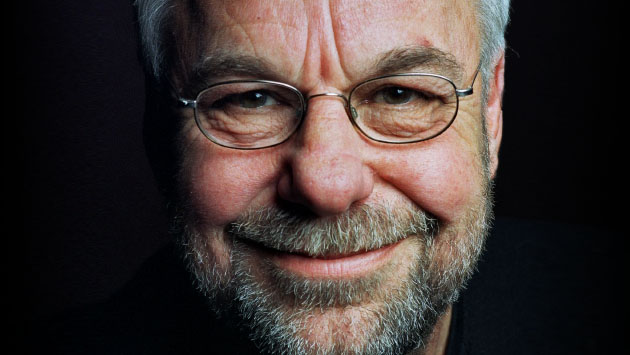


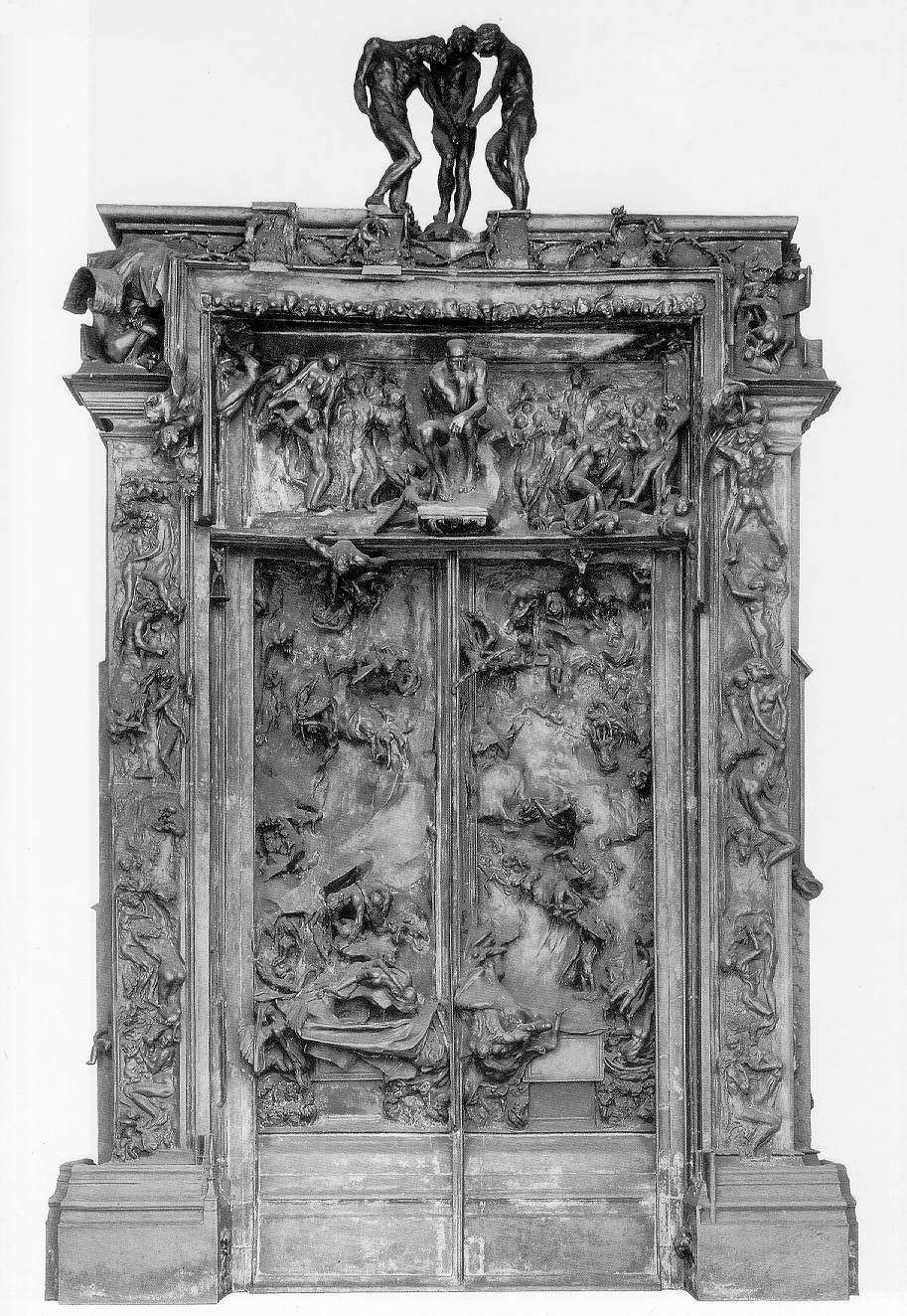

Auguste Rodin was born November 12, 1840. He was shy and nearsighted as a child. He discovered his love for drawing when he was 10. Rodin would visit museums to study antique sculptures as a young adult while attending Petit Ecole. He then discovered clay and realized how capable he was in making sculptures. After early struggles and the death of his sister he joined the Catholic order, realizing that was not his calling he left to pursue his artistic dreams. But first came marriage and then a son, he then entered a bust in the Paris Salon. He later became very inspired while living in Belgium. He completed his piece The Vanquished, critics accused Rodin of casting a model, which a sculptor would never do. The accusations followed him to Paris and again had to defend his work. He then went on to create The Thinker, The Kiss and The Gates of Hell. He went on to create many sculptures.
Friday, November 25, 2011
Maya Lin
 Maya Lin's work seems to be mostly geographical representations. They remind me a lot of burial mounds that were found in America.

 She has also done some work with wire, and that reminds me of those digital images that they can make of the sea floor. This particular one was an installation called "Waterline".
Subscribe to:
Posts (Atom)